Building a Capsule Wardrobe with AI: A Practical Guide
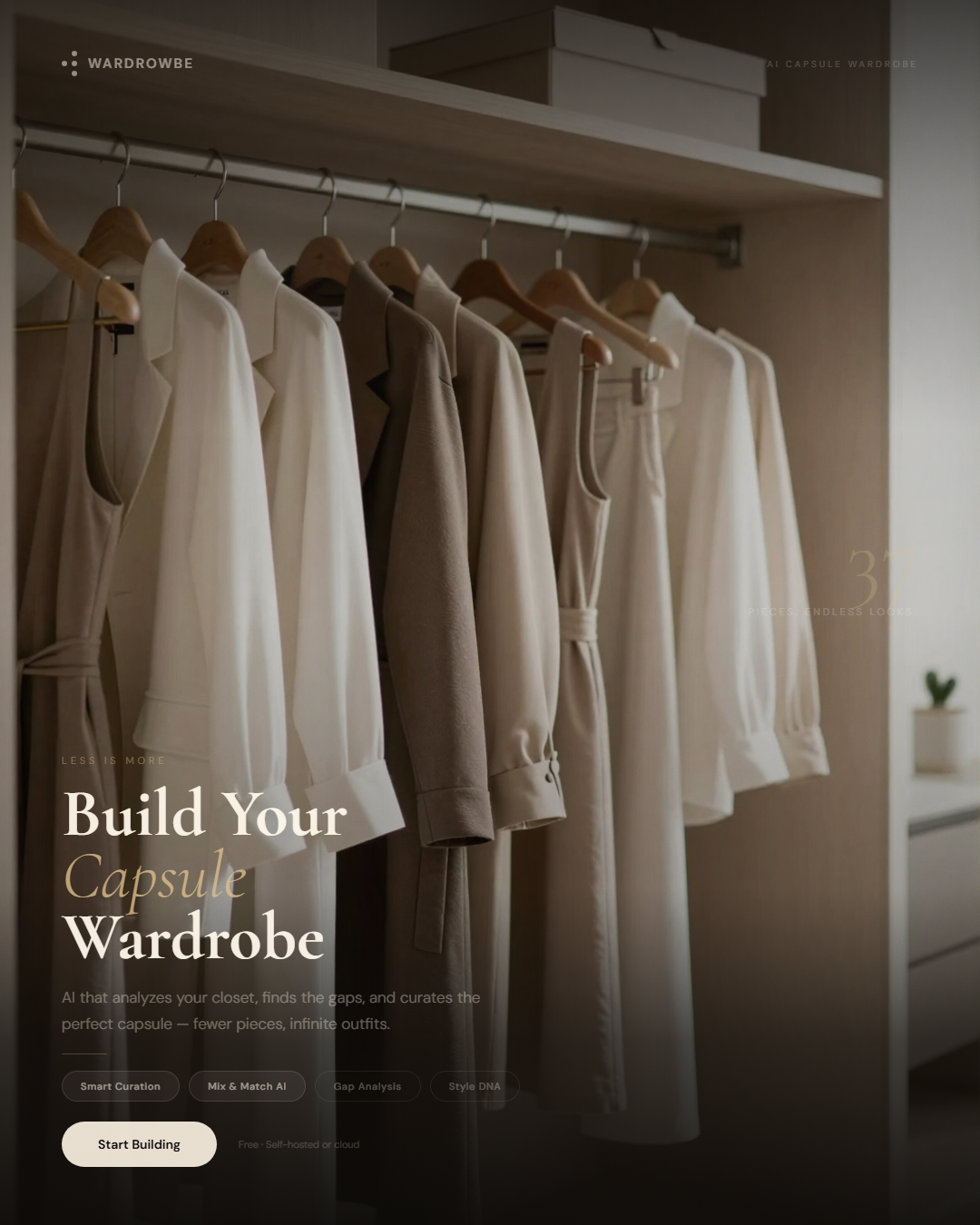
A capsule wardrobe is a small, curated collection of clothes that all work together. The concept is simple — own fewer, better pieces that mix and match effortlessly. The execution is where most people get stuck.
How do you know which pieces to keep? What gaps exist in your current wardrobe? Which items actually pair well together? These are pattern-matching problems, and pattern matching is exactly what AI does well.
What Makes a Good Capsule Wardrobe
The typical capsule wardrobe contains 30-40 pieces (excluding underwear and workout clothes). Every item should:
- Fit well — nothing you keep "just in case" it fits again someday
- Match at least 3 other items — isolated pieces that only work with one outfit are dead weight
- Cover your actual life — work, weekends, and the occasional event
- Work across seasons — layering extends a capsule wardrobe's range significantly
The challenge isn't understanding these rules. It's applying them honestly to your own closet.
How AI Changes the Process
Traditional capsule wardrobe advice tells you to dump everything on your bed and sort into keep/donate/trash piles. This works, but it relies on your ability to mentally simulate every possible combination — something humans are notoriously bad at.
AI-powered wardrobe tools like Wardrowbe take a different approach:
1. Photograph Everything
Start by photographing each item in your wardrobe. Modern vision models can automatically detect:
- Clothing type — shirt, pants, jacket, dress, etc.
- Color — primary and accent colors
- Pattern — solid, striped, plaid, floral
- Style — casual, formal, streetwear, athletic
- Formality level — a numeric scale from very casual to black tie
This tagging happens automatically. You don't need to manually categorize hundreds of items.
2. Identify What You Actually Wear
Once your wardrobe is digitized, tracking what you wear becomes trivial. Log outfits daily (or let notifications remind you), and within a few weeks you'll have hard data:
- Which items appear in outfits frequently
- Which items haven't been worn in months
- Which combinations you default to repeatedly
This data is more honest than your memory. That jacket you "wear all the time"? The data might show you've worn it twice in three months.
3. Find the Gaps
With your wardrobe tagged and usage tracked, AI can identify specific gaps:
"You have 12 casual tops but only 2 pairs of casual pants. Adding a neutral chino would create 12 new outfit combinations."
This is more actionable than generic advice like "buy versatile basics." The AI knows your specific wardrobe and can recommend specific additions that maximize combinations.
4. Score Pairing Potential
Not all item combinations work. Color theory, formality matching, pattern mixing rules — these are learnable rules that AI can apply consistently:
- Navy blazer + white shirt + grey trousers = high compatibility
- Floral shirt + plaid pants + striped tie = pattern clash
- Athletic hoodie + dress pants = formality mismatch
Wardrowbe scores every possible pairing in your wardrobe, so you can see at a glance which items are workhorses (pair with everything) and which are specialists (only work in specific contexts).
A Practical Workflow
Here's how to actually build your capsule wardrobe using AI tools:
Week 1: Digitize. Photograph everything. This is the most tedious part, but you only do it once. Set aside an afternoon, put on a podcast, and work through your closet systematically.
Weeks 2-4: Track. Log what you wear daily. Most wardrobe apps make this a 10-second task. The goal is honest data about your actual habits.
Week 5: Analyze. Look at the data. Items worn 0 times in a month are candidates for removal. Items worn 5+ times are your core pieces. The AI's gap analysis tells you what's missing.
Week 6: Edit. Remove items that aren't earning their place. Add 2-3 pieces that the AI identifies as high-impact additions (items that create the most new combinations).
Ongoing: Iterate. A capsule wardrobe isn't a one-time project. Your style evolves, seasons change, and clothes wear out. The AI adapts its suggestions based on your feedback over time.
The Self-Hosted Advantage
One concern with digitizing your wardrobe is privacy. Your clothing choices, body measurements, and daily habits are personal data. With self-hosted tools like Wardrowbe, this data stays on your own server. No cloud service has access to your wardrobe photos or usage patterns.
Self-hosting also means you choose your own AI model. Run Ollama locally for complete privacy, or use OpenAI's API for higher accuracy — the choice is yours.
Getting Started
If you're ready to try this approach:
- Self-host Wardrowbe with Docker Compose (free, ~10 minutes setup)
- Or start a free trial of the cloud version (no setup required)
The hardest part is photographing your initial wardrobe. Everything after that is automated.